The Apple Watch began what many referred to as Apple's entrance into the "wearables" market. This category represented technology that the user wears or uses on their person. Examples of this type of device include jewelry, accessories, medical devices and clothing. In the case of the Apple Watch, this represents both jewelry as well as medical or fitness devices. Initially these types of devices were focused on fitness with brands such as Fit Bit and Garmin who catered to the active life style to count calories, distance, and other statistics for activities such as walking and running. Most saw this market as small and very specialized.
 Rumors began in 2011 that Apple was potentially working on a product that fit into this market but no one including Apple insiders could understand where it might fit or even if there were enough people interested in this kind of technology to justify the high cost associated with entering the playing field. Initially the rumors were of a curved iPod that would fit on your wrist so that you could take your music with you during activities. It was not until a couple of years later that details began to emerge as to what the product was or how it was being positioned.
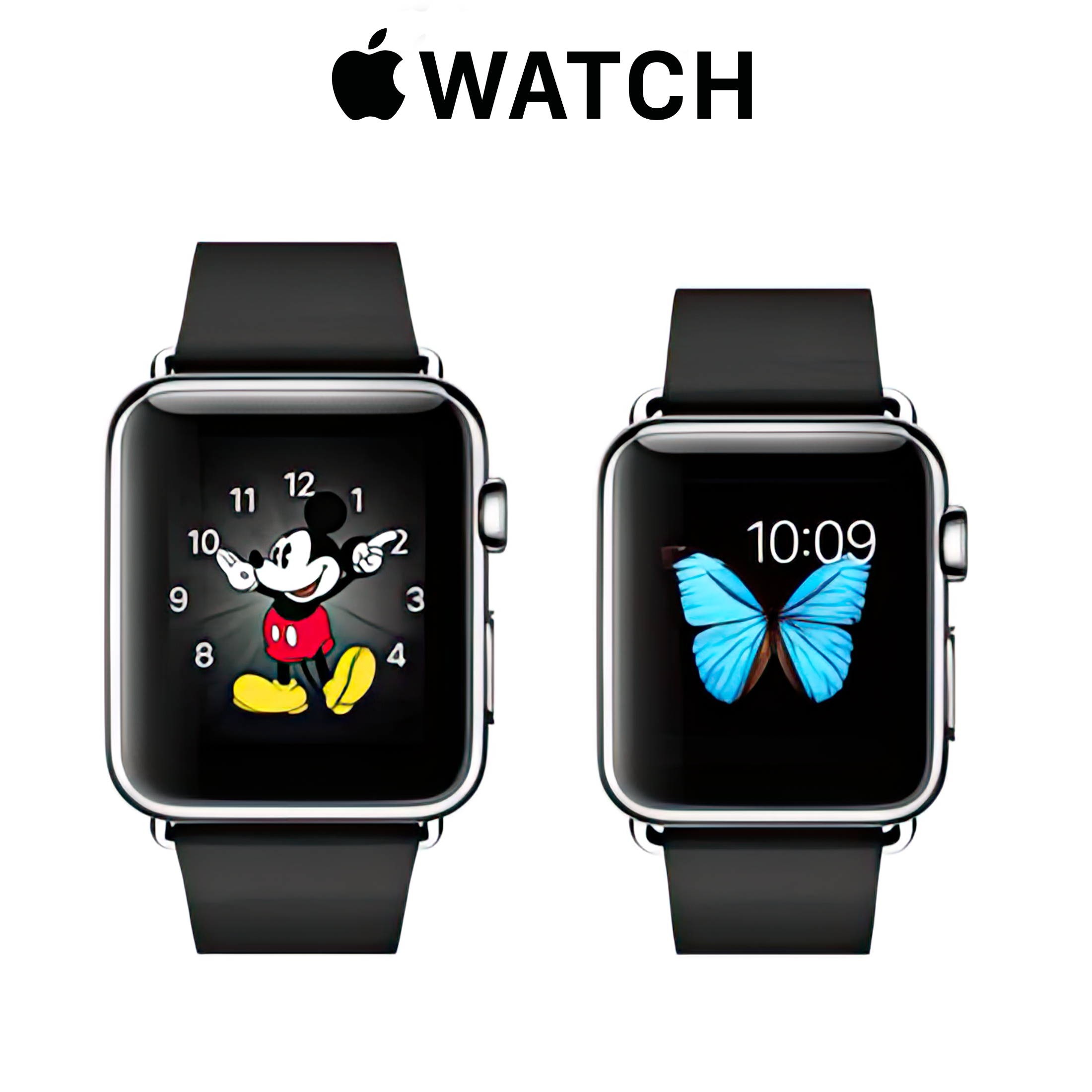
On September 9, 2014 during the press event launching the iPhone 6, Apple CEO Tim Cook introduced the Apple Watch. The press almost immediately questioned why Apple wanted to get into the watch market. The market seemed to be dwindling for time pieces you wore on your wrist. More and more people used their phones to tell time, a problem Apple helped create with the iPhone. But the Apple Watch was not just another way to find out what time it was. Rather this was a product that in many cases was hard to define. The watch required an iPhone to be tethered which many saw as a design flaw but also became the source of unlocking the device's potential,
 Developers could create applications that provided data and feedback to your wrist. This opened things up to not just notifications but also new ways to consume information. You could send messages or answer phone calls without ever taking your phone out of your pocket. Not only that but the Apple Watch also allowed you to track your activity level, the amount of times you stood versus sat during a day, and track your heart beat. This latter piece now provided a more immediate way to keep up on your health that was not easy before. Suddenly your watch was looking out for your health and reminded you to be active or relax.
I have always had a watch, most times a chronograph or dive watch so what Apple was offering was extremely exciting. Always wanting to extend my digital reach I immediately bought one. I loved the simplicity of the design and was excited at the potential it had. Two things that held that item back for me was the fact that like the iPhone, the Apple Watch did not like water so replacing my dive watch was out of the question. The second was, even if the watch was waterproof (which it wasn't) I still had to carry my phone with me to get anything other than simply telling time. It was bad enough those times when I forgot my phone now my watch would remind me how forgetful I was. Despite these weaknesses, I loved my Apple Watch.
 The Apple Watch came in three types. At the entry level was an aluminum Sport version. It was the Apple Watch collection or the middle tier I was interested in. It was made of Stainless Steel or Black Stainless Steel and included Sapphire Glass which is nearly indestructible. The upper tier was called the Apple Watch Edition with prices starting at $10,000 clearly out of my league for sure.
The Apple Watch was amazing and quickly became a new favorite tool that I relied upon daily. But Apple was not content to stop there. On September 16, 2016 Apple introduced the Apple Watch Series 2. This new version contained GPS that would keep track of where you were when walking or running reducing the need to take yoour phone with you on runs. It would sync when you got back making it easier for those who didn't like carrying a phone while running. This in itself was a major feature that users had been asking for but that was not the best thing.
 The Apple Watch Series 2 was now water resistant to 50 meters. That still did not make it a watch I could use when scuba diving but I no longer had to worry how wet it was getting. In fact, Apple designed the Series 2 to be worn while swimming and had exhaustively tested it in that environment. Apple engineers created a way to use the watch's speaker to push residual water out of the device after you are done swimming. This feature was extremely useful for me when I was trapped in Hurricane Irma in Orlando Florida. Throughout the ordeal my watch worked flawlessly.
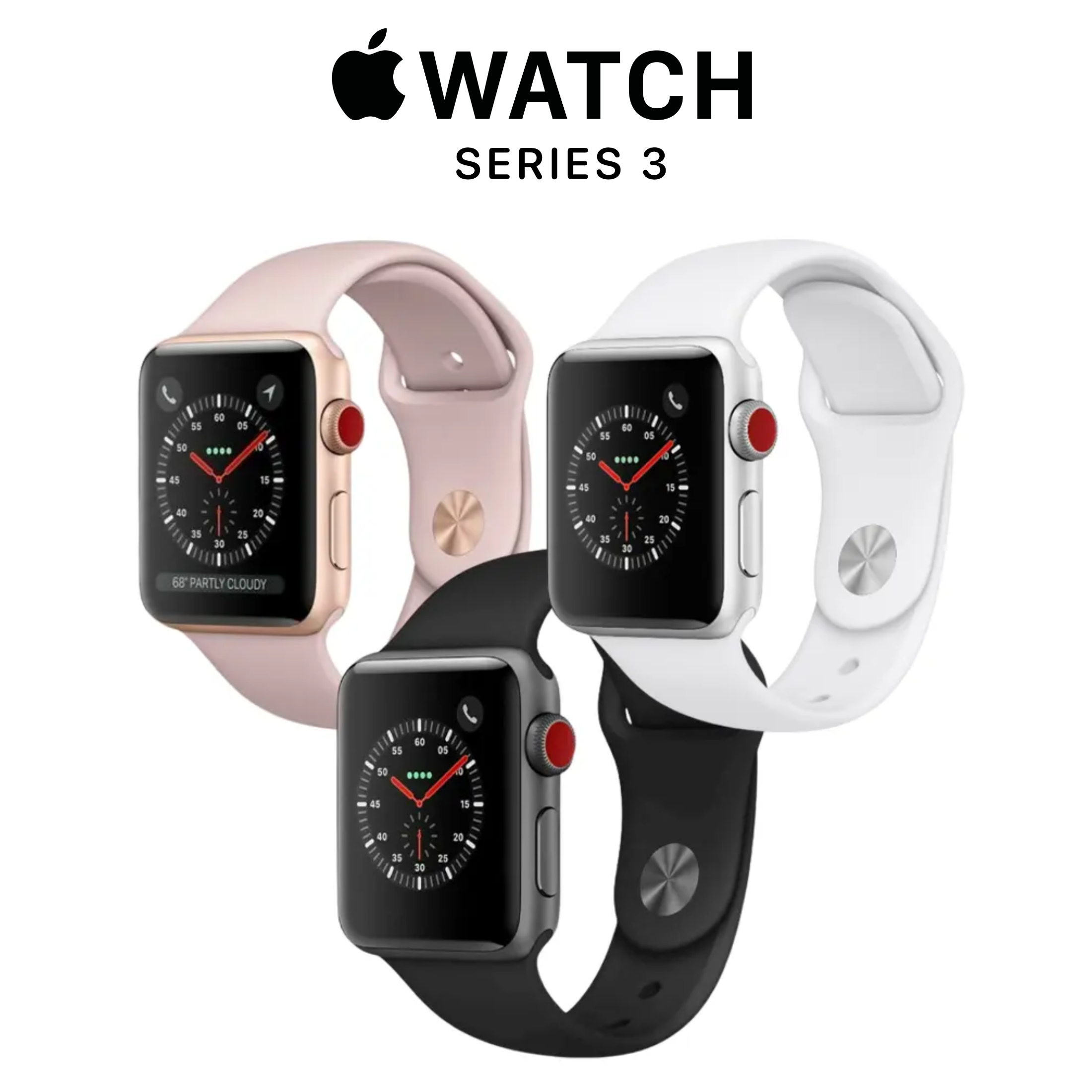
In what has now become customary, Apple introduced the Apple Watch Series 3 during the fall press event this time coinciding with the announcement of the iPhone 8. The Series 3 made a significant change and one that many have predicted was what was holding back the device. Although we should be clear, "holding back the device" is a relative term. In the three years since its introduction, the Apple Watch became the best selling watch brand in the world. This version added two important pieces for 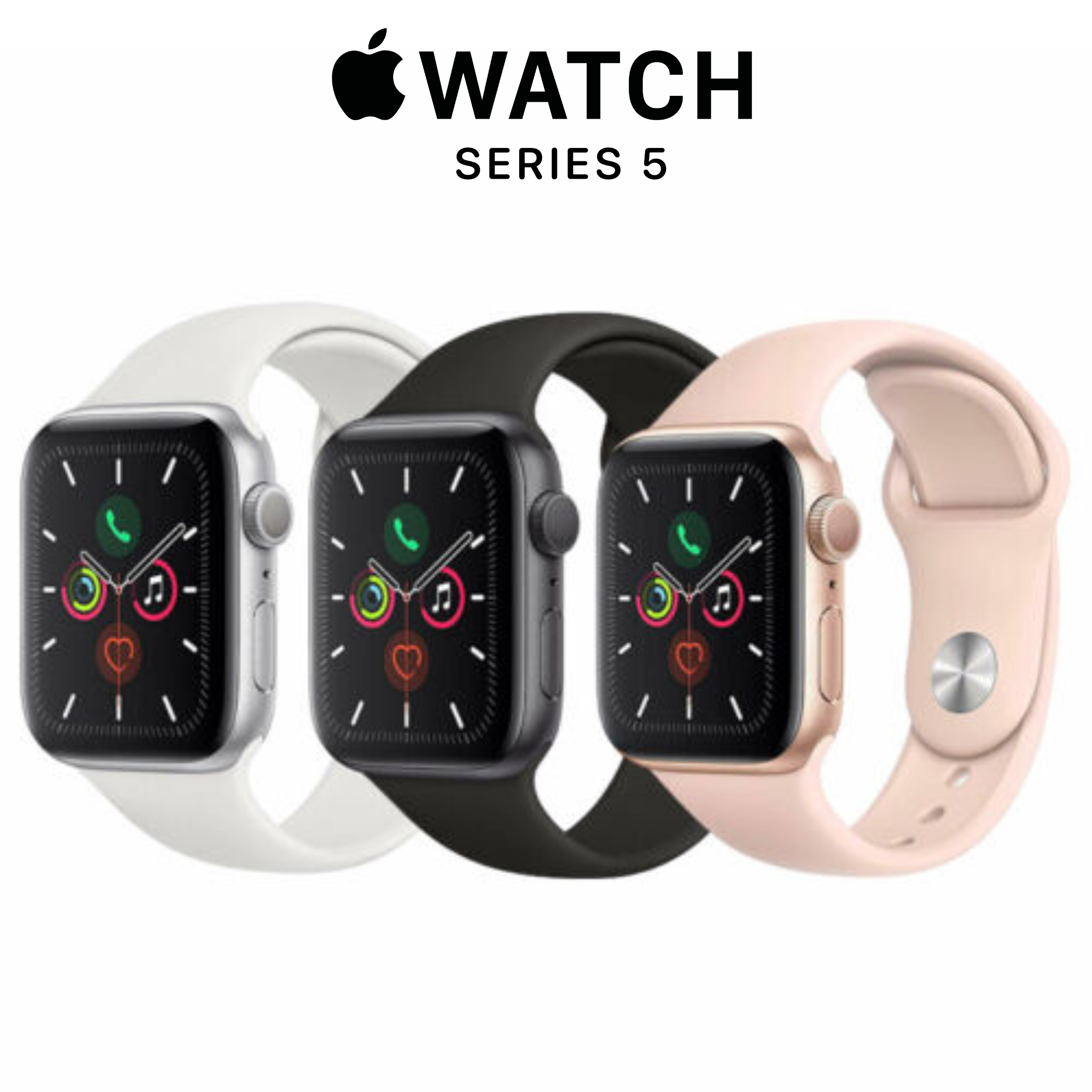 athletes. First is that the watch now includes both GPS and cellular meaning that you would no longer have to have an iPhone to tether to the watch. The downside of this of course is that you now have to add your watch to your cellular plan. At introduction AT&T, Verizon, and Sprint all announced a monthly charge of $10 to add the watch. This also meant you could make phone calls from your watch without your phone being close but your watch and your phone share the same number. The second feature is that the Apple Watch Series 3 now included an altimiter to measure elevation gain as well as mapping out your route using GPS.
The health features of the device also got a bump so it now monitored both heart rate and detect irregular heart beats thereby warning users of potential problems. The heart rate monitoring included not only current heart rate but the ability to track resting rate and recovery to see how well your body is managing various efforts. Finally Apple integrated workout data with several fitness companies to collect information from machines at the gym and manage it within the workout app.
 The Apple Series 4 marked the first major enhancements to the form factor of the watch. The screen was larger with thinner bezels providing more usable space on the screen. The case was markedly rounder and somewhat thinner than previous versions. Memory was upgraded to 16 GB to allow capturing more data on the watch. The processor was updated to the S4 which is a 64-bit dual-core chip that doubled the performance of the earlier S3 chip. Two other major enhancements were the new electronic ECG system that received clearance from the United States Food & Drug Administration becoming the first consumer device to receive this accolade. The second new feature was the haptic engine that provides haptic feedback to the user. The Series 4 can also detect falls and automatically contact emergency services to provide health.
 On September 10, 2019 Apple announced the Apple Watch Series 5. Two distinctly important additions to this model was a new on-device compass and an always-on display. The always-on display used a low-power display driver that provided refresh rates as low as once per second to minimize the drain on the battery from being on all the time. This feature allowed you to casually glance down at your watch to see the display rather than the more obvious motion of raising your wrist to get the display to come on with earlier versions of the Apple Watch. The compass has also been applauded especially those who run or hike with their Apple Watch as they can be provided direction hopefully resulting in getting lost less. Storage was also increased on this model to 32 GB.
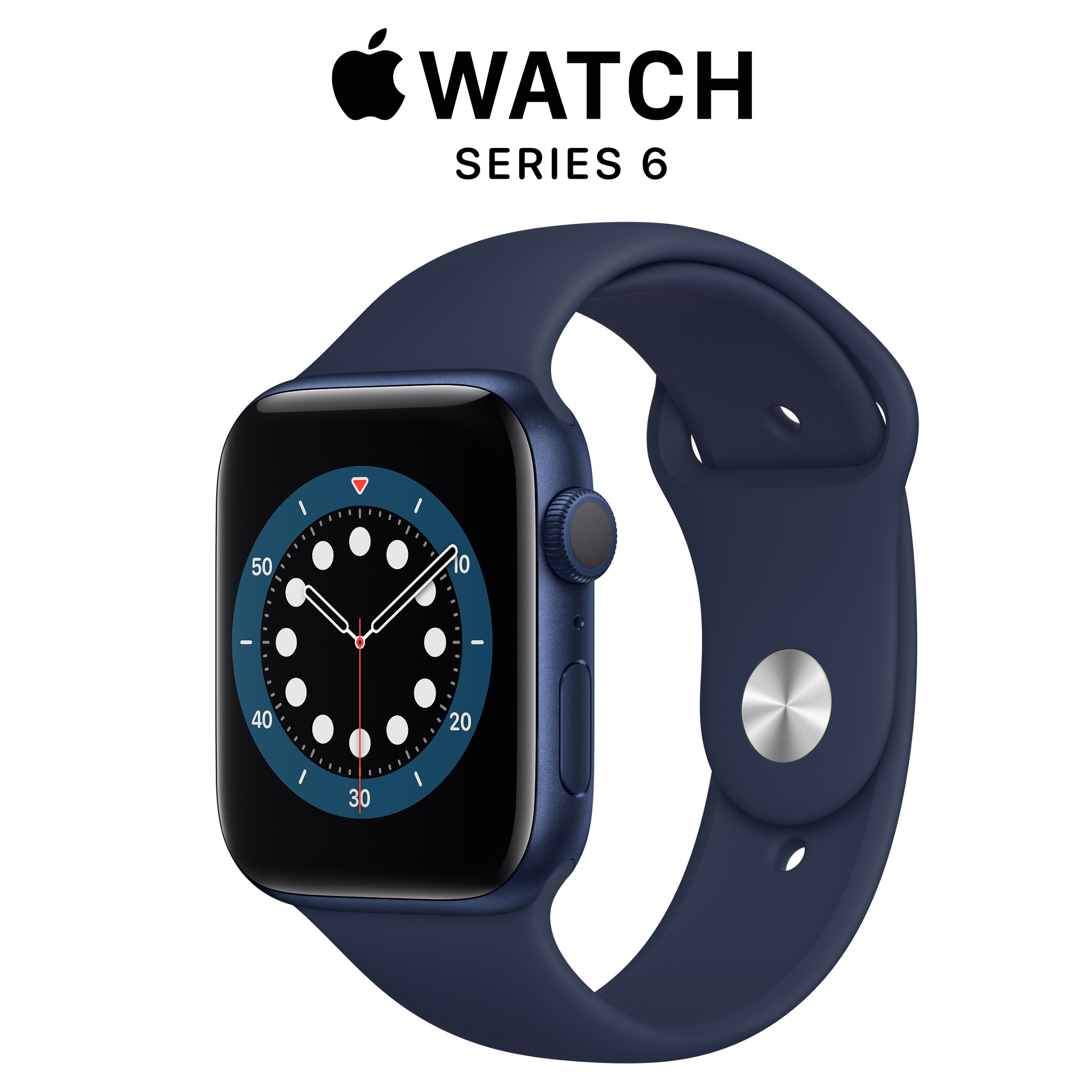
 In September 2020 Apple announced the availability of the Apple Watch Series 6. It is based on the S6 processor which provided up to 20% faster processing than the S4 and S5. The always-on display received an upgrade now 2.5x brighter without noticeable battery drain. This model also featured an always-on altimeter to provide up to the moment measurement of changes in altitude. The Series 6 included support for ultra-wideband Wi-Fi communications that allowed it to connect to 5 GHz wi-fi networks. For the first time this model offered Product Red and Blue aluminum case colors.
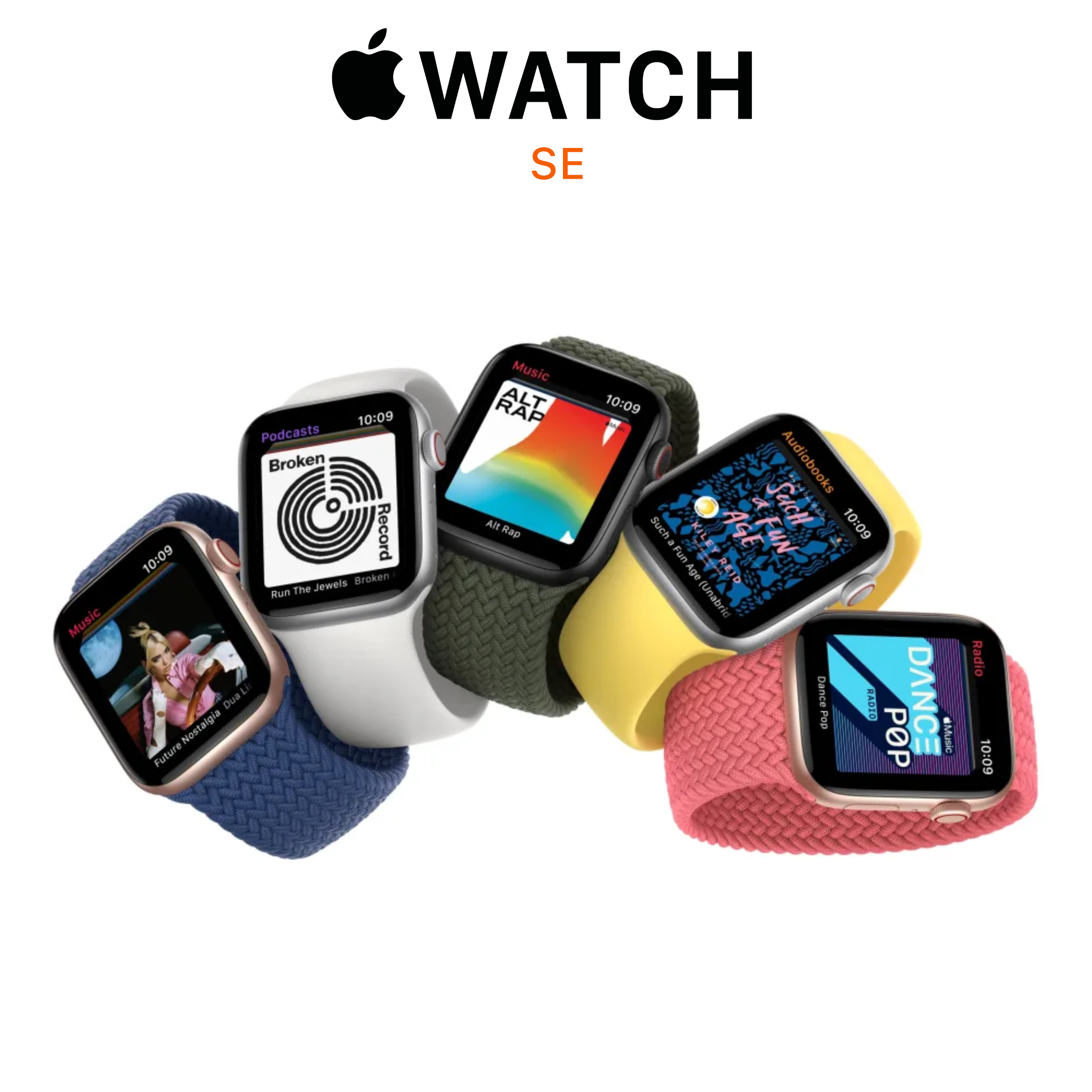
Apple introduced the Apple Watch SE. This was a lower-cost option similar to the iPhone SE. Although pared down, many of the features found in the full model were included in the ES such as the always-on altimeter. It provided optical heart rate sensor but lacked the ECG and blood oximeter sensor and did not include the alway-on display or the ultra-wideband Wi-Fi communications.
 The Apple Watch Series 7 was announced on September 14, 2021. Pre-orders for the new device began on October 8 with earliest ship dates of October 15. This was a rather extended delivery time period compared to past Watch announcements. Part of this was due to supply chain slowness as the world continued to try and overcome the results of the COVID shutdown. The Series 7 had a slightly larger case design than previous versions by 1 MM. The increase in size was negligible when on your wrist. The display was again upgraded to provide a brighter image with estimates of 70% brighter indoors and 20% brighter outdoors. Durability was also increased with the Watch now having an IP6X certification for resistance to dust. The charger was also improved with a USB-C connector which allowed the device to recharge 33% faster.
 On September 7 2022, Apple made several announcements with regards to their Apple Watch product line. Three new offerings were announced: the Apple Watch Series 8, Apple Watch SE (second generation), and a completely new Watch and form factor; the Apple Watch Ultra.
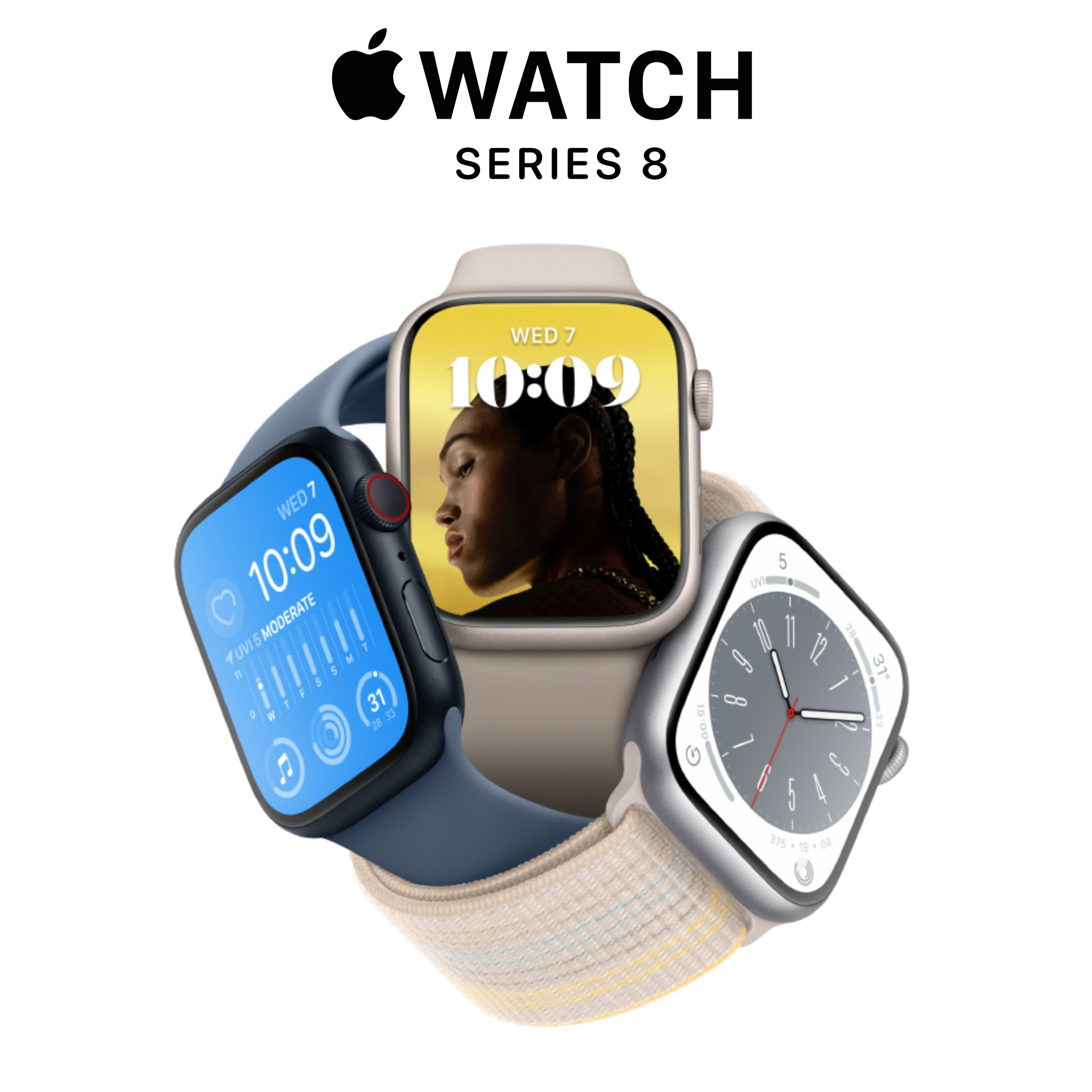
The Apple Watch Series 8 features several groundbreaking technology and performance improvements over previous versions. A new front screen is even more robust and more crack-resistant than in years past which will be welcomed by the more active users. The battery life has been expanded on the Series 8 allowing the user up to 18 hours of usage before requiring a recharge. This version offers enhancements to the ECG and fall detection capabilities but also introduces more health focus. For the first time, the Apple Watch Series 8 includes temperature sensor capabilities and retrospective ovulation estimates to provide better women's health.
 The new Apple Watch SE is the second generation of the low-cost option. This includes a new Family Setup to provide base functionality to minors or less-technical family members while allowing an adult or parent to maintain some control of the device. This model was not short-changed having the same S8 SiP advanced dual-core processor. The SE offers Crash Detection and now has international roaming.
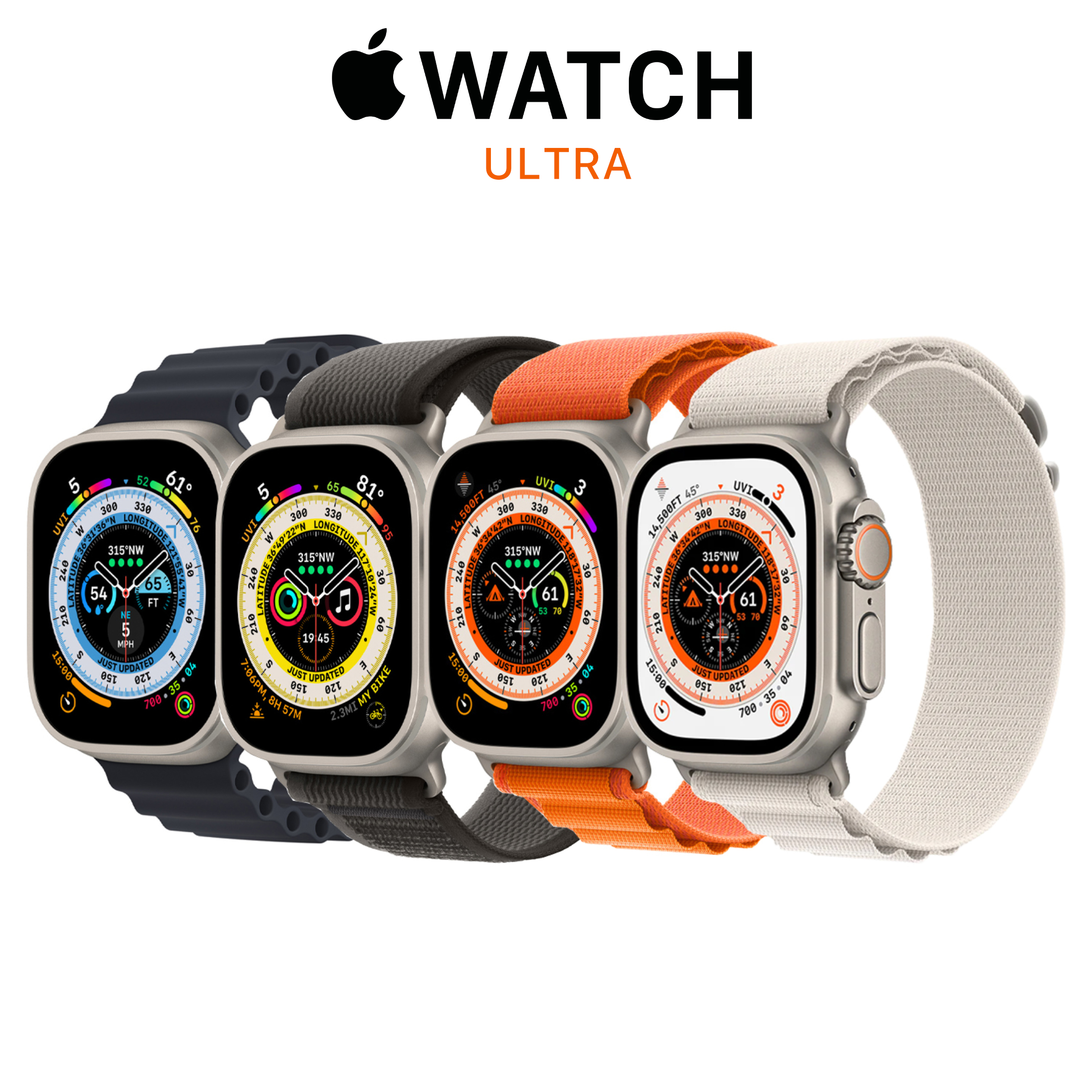
The Apple Watch Ultra brings a new design and style to the Watch line-up. It has a new 49mm titanium case and a flat sapphire front crystal that is nearly indestructible. This watch was built for the outdoor enthusiast who is is focused on endurance, exploration, and adventure. To start the battery life reaches up to 36 hours between charges allowing you to be outdoors for a weekend without worrying about packing a charger. With a new low-power setting you can get up to 60 hours for true off-the-grid excursions.
One of the new features I was most impressed with was the ability to use the Apple Watch Ultra as a dive computer. Coupled with the Oceanic+ app it will track traditional scuba diving functions such as depth, temperature, duration underwater, and maximum depth reached. It can even determine safety stops for ascent after being underwater. Water resistance is rated for 40 meters which is plenty for most recreational divers.
The Apple Watch Ultra also includes the ability to drop wayward points during backcountry hiking to allow the watch to assist in retracing your steps to return to camp. In the off chance that you do get lost, the Ultra will allow you to contact help using satellite calling functionality eliminating the need for a cell tower during emergency. This is an incredible watch and one that I immediately purchased.
The market for the Apple Watch continues to grow and go in directions that many of us cannot even imagine. It is exciting to watch and even more thrilling to be involved with such an innovative product.
 Back