In 1993 I was excited as Apple introduced the Newton MessagePad. This was an incredible handheld device that allowed the user to interact with it via a stylus on a touch sensitive display.
 The Newton was capable of handwriting recognition that actually learned the more you used it. It represented a new paradigm in computing. Like the Macintosh when it was introduced in 1984, it changed the way people thought about computers. Unlike the Macintosh, the Newton never gained a large following and the product ultimately was shelved after several iterations in mid-1998.
Despite its lukewarm reception, the Newton gave users a glimpse of what the computing future could be. It showed that given the right interface and appropriate form factor tablet computing had a market. I often wondered whether Apple would once again embrace the tablet market.
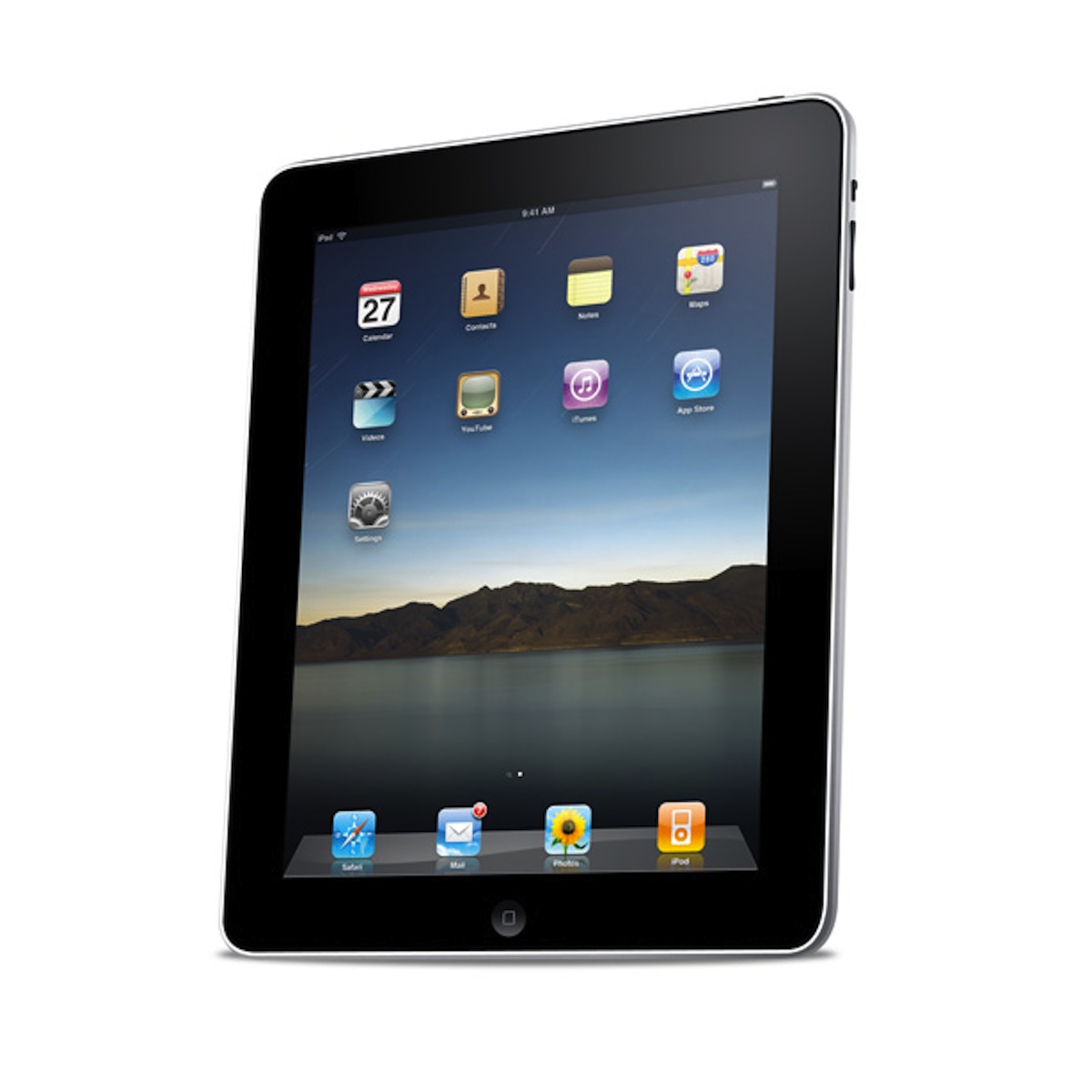
With the introduction of the Apple iPod Touch and the iPhone the time seemed ripe for another venture into the tablet arena. After several years of rumors, Apple introduced the iPad to an eager consumer market on January 27, 2010.
 From the moment Steve Jobs held up the device there have been questions regarding where it fits in the computing hierarchy. Some saw the iPad as a giant iPod Touch. The 9.7 inch liquid crystal display had a resolution of 1024x768 pixels.
In its initial state the iPad came in two configurations. One would run strictly on Wi-Fi while the other would not only utilize Wi-Fi but also had the capability to run on the 3G cellular network.
The operating system was the same as the iPod Touch and the iPhone and is now known as iOS. Like its younger siblings it also utilized a touch sensitive interface and allowed the user to orient the device in either a portrait or landscape mode.
 My first impression was that the iPad was not just a larger iPod but rather was a separate market that would evolve as more people began using the device.
After its introduction it became immensely popular. Apple sold 7.5 million units within the first nine months. I personally waited patiently for the Wi-Fi/3G version to be released and I bought the model with 64GB of memory.
I was not exactly sure what I would do with this device. My purchase was more one of curiosity than need. Once I had the device I realized how impressive it was and how intuitive the interface could be. I found myself reaching for the iPad before I picked up my laptop.
Initially I expected the device to be an information consumer. After a few short weeks I found myself using it for content production. The soft on-screen keyboard was appropriately sized especially in landscape mode to allow touch-typing.
With iWork installed it gave me a word processor, spreadsheet, and presentation tool. Add to that the mobile Safari browser and I could easily research information and write articles. The email and calendar functions also allowed me to use this as a laptop replacement for short periods of time.
 I was not yet to the point where it would take the place of my MacBook but it was perfect for reading email, playing games, or casual surfing the Internet. I’ve also begun to identify markets for applications and I am beginning development efforts to create the type of applications I would use myself.
On March 11, 2011 Apple held their spring product announcement and there unveiled the iPad 2. After the success of the original iPad, Apple went back to decide how they could improve the device. The first thing to note was that this second version was much faster and lighter than the original all without sacrificing battery life. This was due in part to the Apple A5 processor at the heart of the iPad 2.
 The faster processor was not the only change. Apple also included a 720p resolution in the front facing camera to give higher definition to video conferencing using Apple FaceTime. This was a huge boost and eagerly embraced by users. The iPad 2 came in three configurations: 16GB, 32GB, and 64GB in both Wi-Fi and 3G models. The iPad 2 would remain a viable product in some form for three years finally being discontinued on March 18, 2014.
In March 2012 Apple announced the next iPad eliminating the moniker with a number going back to simply iPad. Since there were still a lot of original iPads still on the market this naming change was confusing leading to this version being called iPad (3rd Generation). This was a major upgrade to the iPad line. While the screen size remained 9.7" the resolution went to 2048x1536 in what Apple was referring to as a Retina Display. The screen was amazing, the colors and images seemed to leap off the screen. The iPad (3rd Generation) also included the Apple A5X processor boosting the speed necessary to run even the most graphics intensive tasks. The cellular version also received a boost moving from 3G to 4G allowing for a faster online experience.
 Just seven months after the introduction of the iPad (3rd Generation), Apple held their fall product briefing and announced the iPad (4th Generation). This left many users frustrated that their new purchase was already obsolete. The iPad (4th Generation) was a necessary update for several reasons. When the iPad was originally introduced it had the standard 30-pin adapter for charging and synchronizing. Apple had now eliminated that connector moving to the Lightning adapter which could be inserted either way and made all of the Apple mobile devices consistent meaning you only had to carry one type of cable.
Besides the connector, the iPad (4th Generation the new A6X processor which was much faster than its predecessor. This version also introduced a new higher end configuration with 128GB of storage; double the amount of the iPad (3rd Generation).
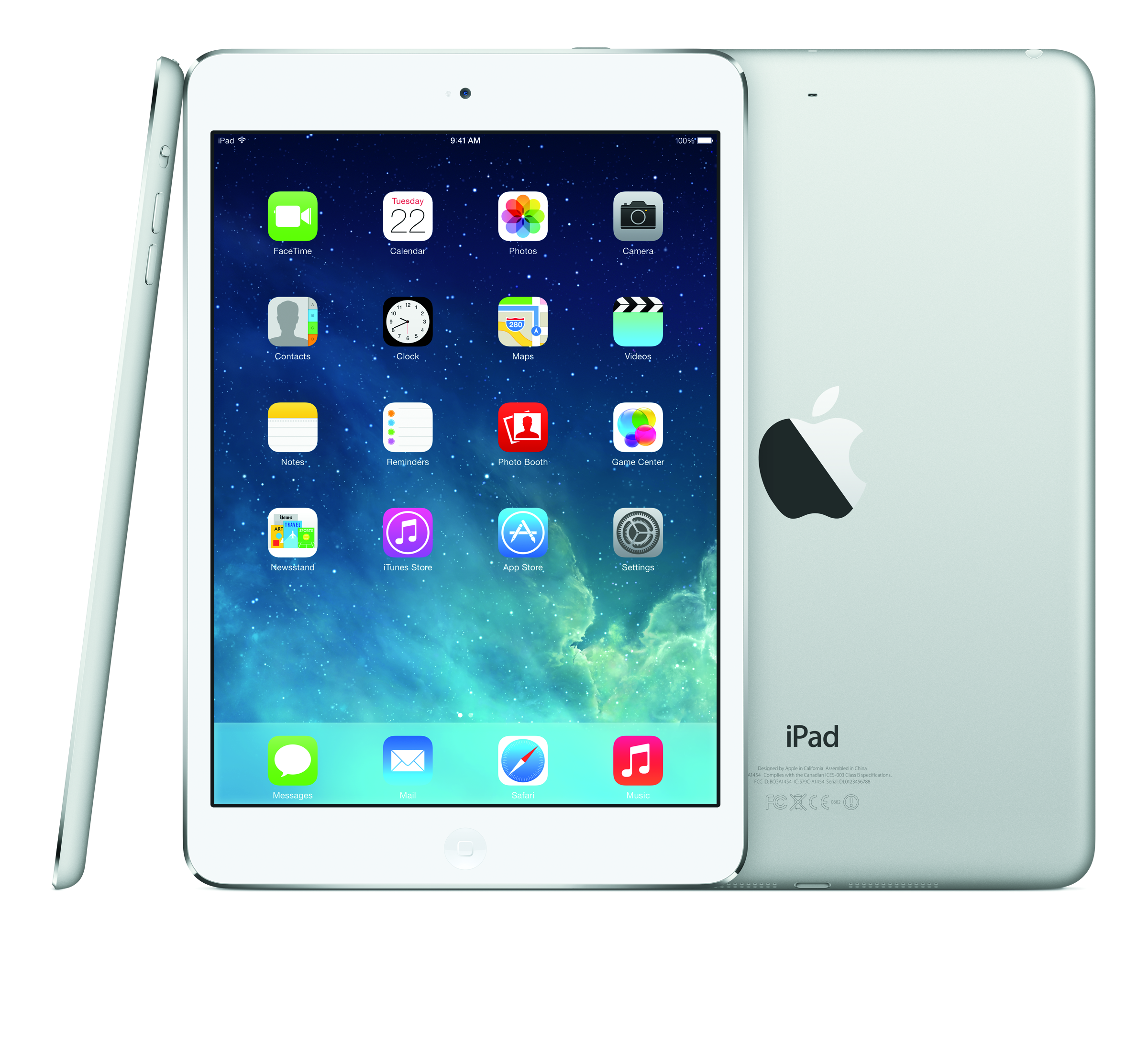 The iPad (4th Generation) was not the only tablet introduction. Apple also introduced the iPad Mini. This device bridged the gap between the smaller form factor of the iPhone and the larger iPad. The screen size was similar to the iPad with a 4:3 ration but used a 7.9 inch screen as compared to the 9.7 inch on the iPad. The resolution was 1024x768 pixels which was the resolution of the original iPad in a smaller form.
 Apple had now seemed to settle on a fall product announcement for their mobile devices including the iPad. On October 22, 2013 they introduced the next iteration of the iPad called the iPad Air. This was a breakthrough in that the depth and weight of the product took a substantial hit. In the marketing announcement Apple showed that the iPad Air was thinner than a standard yellow No. 2 pencil. The processor was bumped up to use the Apple A7 chip which was a dual-core 64-bit processor meaning that this thing could flat out scream. This was the first time Apple changed the form factor of the iPad since the iPad 2.
 At the same event, Apple introduced the iPad Mini with Retina display also known as the iPad Mini 2. This new device was the first mini to have Retina display with a resolution of 2048x1536 while still maintaining the 7.9 inch screen. This device also included the Apple A7 processor and came in configurations of 16, 34, 64, and 128GB meaning you had the same storage options as its larger sibling. You could also get a Wi-Fi only version or one with Wi-Fi and 4G Cellular making it a good option for traveling when space is a premium.
 The 2014 Apple fall product announcement was held on October 16 with the theme "it's been way too long". At this event Apple announced two new tablet products. The first was a successor to the iPad Air titled iPad Air 2 where the company went back to a numeral after the name. The iPad Air 2 included several important differences the first being the introduction of Touch ID to the tablet line. Finally iPad users would be about to use their finger print to unlock the screen like they did on the iPhone.>/p>
The processor on the iPad Air 2 was bumped up to the Apple A8X chip with 64-bit architecture and an Aple M8 motion co-processor to give the device smooth motion graphics. Besides the chips, the iPad Air 2 also included everything necessary to use Apple Pay for buying things without requiring NFC functionality. Users and the press lauded the iPad Air 2 as the best tablet Apple had ever made which was high praise.
 At the same event Apple also introduced the iPad Mini 3 which shared many of the same features as the 9.7" iPad Air 2 but in a smaller iPad Mini 7.9" form. The iPad Mini 3 used the Apple A7 processor with the Apple M7 motion co-processor and was available in 16GB, 64GB, and 128GB sizes both Wi-Fi Only and Wi-Fi and Cellular.
In 2015, Apple and the computer industry as a whole seemed at a crossroads around tablets. The market was not showing signs of growth and the phone market with new products such as the iPhone Plus series were cannibalizing the smaller tablet sales such as the iPad Mini. So in an odd turn, Apple did what would have been unthinkable under Steve Jobs; they began to tinker with the form factor. Instead of going smaller, Apple went big introducing the iPad Pro with a whopping 12.9" screen making it similar in size to a laptop. They further went counter to Jobs vision when they introduced the Apple Pencil which could act as a stylus to the larger device. Jobs was famous for killing the Newton in part because of its use of a stylus stating that the only device you should use you already had (your finger).
 Apple was gambling that what people wanted was a laptop replacement and what was stopping them was the iPad screen was too small. The iPad Pro did garner a lot of interest but consumers were more curious that demanding. The Apple Stores were filled with people playing with the larger device but the market was rather weak.
At the same event Apple also went small introducing the iPad Mini 4. It was something of a mixed message. On one hand they were telling analysts that people wanted a bigger device to take us to the next plateau in the post-PC environment while in the next breath saying that the smaller Mini footprint was a viable option despite dwindling sales due to the iPhone Plus devices. At the time of introduction the iPad Mini 4 came in 16GB, 32GB, 64GB, and 128GB configurations. Since its release in 2015 all models but the 128GB have been discontinued leaving just one entry in the mini tablet arena.
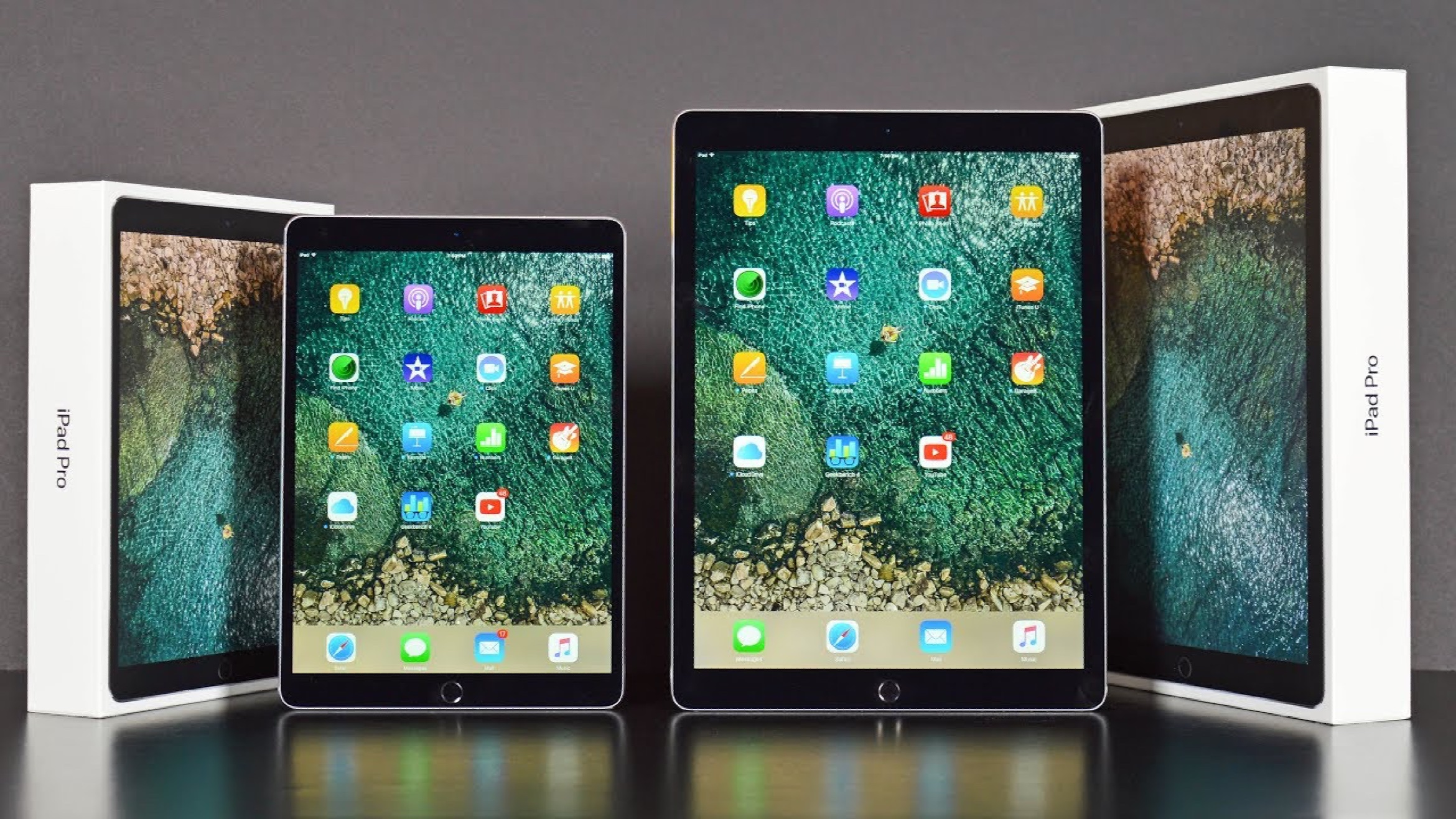 The iPad Pro line remained fairly constant until March 21, 2016 when Apple again moved to a spring announcement cycle and introduced the iPad Pro 9.7. This new device had all the power and versitility of the larger iPad Pro 12.9" but in the familiar traditional 9.7" screen that everyone seemed more comfortable with. Both the 12.9" and the 9.7" utilized the Apple A9X chip and featured three memory configurations: 32GB, 128GB, and 256GB in both Wi-Fi and Wi-Fi/Cellular configurations. Perhaps the most exciting part of the iPad Pro 9.7 was that now users could get the Apple Pencil which had become a minor hit with artists and creative people who were using the iPad Pro as a new medium for artwork.
At Apple's World Wide Developers Conference (WWDC) on June 5, 2017 Apple introduced an update to the iPad Pro line. They discontinued the popular iPad Pro 9.7 and replaced it with the iPad Pro 10.5. The outer dimensions of the case were very similar to size of the 9.7 but the screen now boasted a size of 10.5". This seemed to be the best of both worlds and re-energized the platform. Apple also introduced a second generation iPad Pro 12.9 with the larger 12.9" screen for those who wanted a bigger experience. Both would use the Apple A10X processor and would come in 64GB, 128GB, and 256GB models both Wi-Fi only and Wi-Fi/Cellular configurations.
The market for tablets continues to evolve as manufacturers and users try to find the sweet spot of where these devices fit in the computing ecosystem. Personally I like them. I now find myself travelling without a laptop in most cases relying on the iPad with an Apple Keyboard or Apple Pencil to do almost everything I used to do away from home. When I am at home the iPad becomes the device I use to read or reply to an occasional email and where I read magazines and books. I also use it to watch movies and TV shows whether at home or away if I can't wrestle the television away from Trina or the kids.
 Back