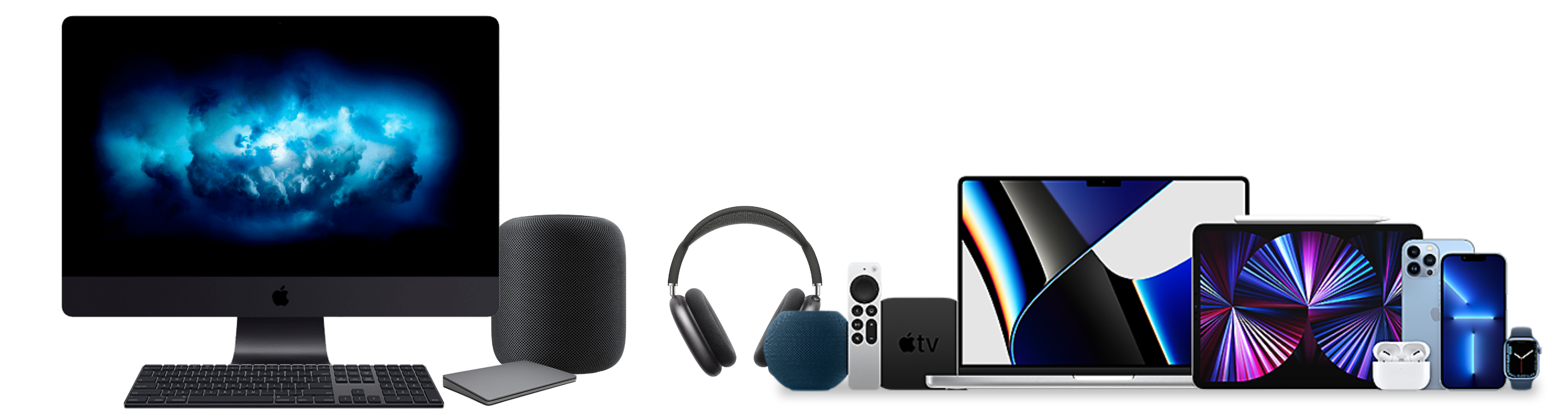
The migration of computing continues to move from a centralized model to decentralized. At one point computers were relegated to large raised-floor rooms chilled by massive air-conditioning units in specialized buildings.
 With the introduction of the “personal computer” the model was to establish computing that the individual could control. For the first time in history a person was capable of harnessing the power of computers at their desktop. Users were not content with that.
Networks were developed to allow workgroups of individuals to share data and to utilize the decentralized storage model where files were housed in centralized arrays. For Apple, their initial foray into networking consisted of connecting the Macintosh to the LaserWriter. Looking back, that doesn't seem like that is much of an innovation. But it allowed several computers to all connect to a single high resolution printer sharing the costs of an expensive resource. That alone created the birth of desktop publishing and eliminated the barriers where a normal individual could suddenly produce output that rivaled the work of professionals.
As computers became more powerful, people wanted to take that information processing with them. This led to the development of laptop computers where users could now place large amounts of storage in a briefcase or purse. Still, the consumer was not satisfied. They desired more processing power in even smaller form factors.
The age of the “smart phone” allowed users to leave their laptops at home yet still be able to access the information they needed when they are on the move. It is not just computers that are impacted by this desire. The entire communications infrastructure has been upended. Now you are able to contain music, movies, books, and voice annotations all in your pocket. It is not just about having this information stored on a local device. With the speed of cellular networks and wi-fi networks, you can now search and retrieve data from anywhere in the world. The primary issue now is finding a way to disconnect yourself from the always-on paradigm that is leading many people to suffer from information burnout.
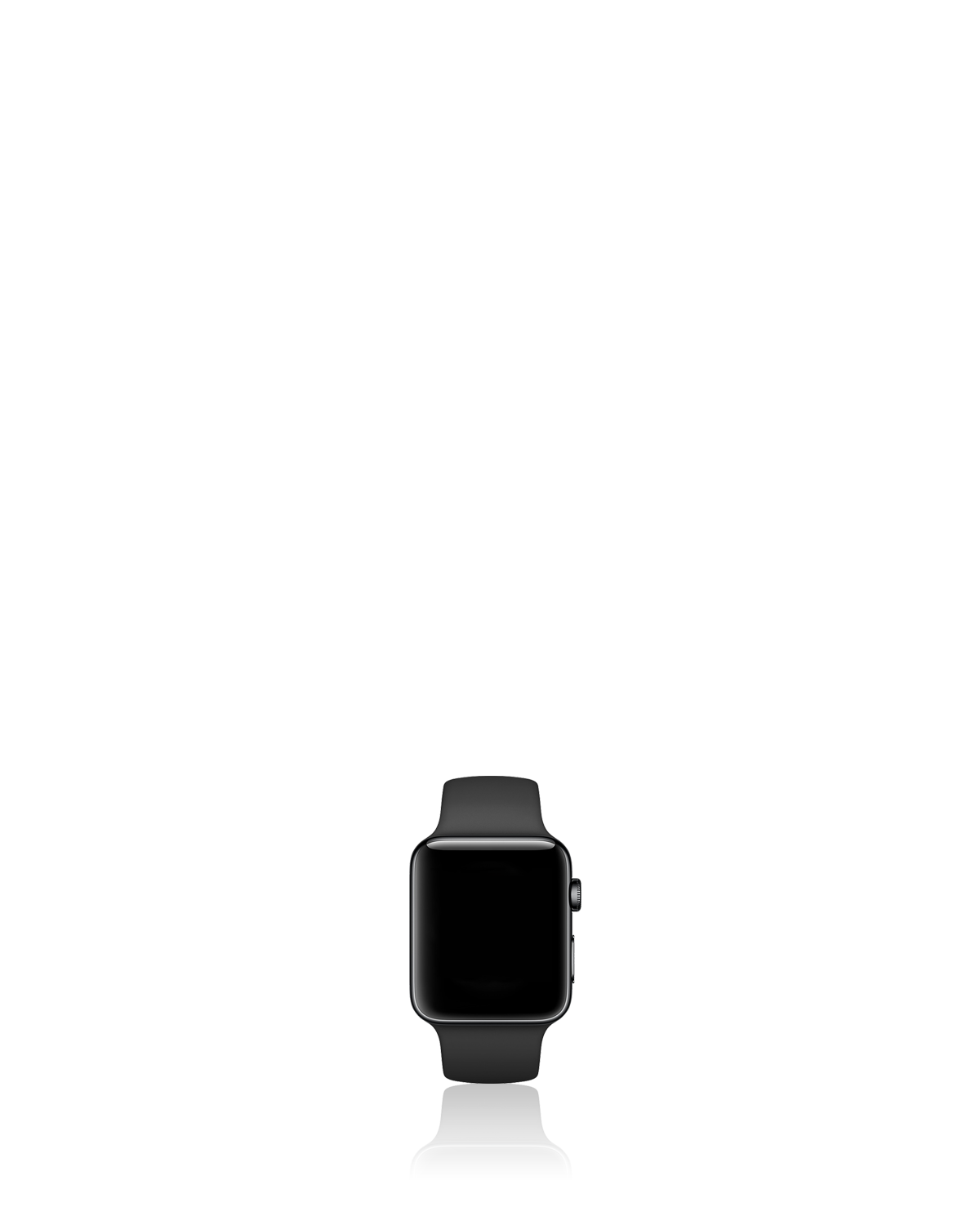
With phones holding more and more of our lives, that seemed like the final frontier of the "post-pc" world we are now in. But there are still a lot of opportunity for innovation yet to come. Apple took one step further into their miniaturization of processing when they introduced the Apple Watch. Early comic strips featuring Dick Tracy would show him communicating with other officers through a wrist communicator. To many kids growing up, that seemed impossible or at least improbably that such a device would not only be available in their lifetime but that it would be cost effective.
But that is exactly what we have. The Apple Watch and other similar devices connect to the cellular network to make phone calls, send text messages, or continuously monitor the health and well being of its wearer. With today's technology you are able to monitor health issues that just a short time ago required seeing medical specialists who would use specialized equipment to identify potential health problems. Now on my wrist I am able to monitor my heart rate, my blood oxygen levels, sleep patterns, and measure my level of daily fitness. While this is all great data to have, it has been a constant reminder that I am not nearly as active as I should be to increase my overall health.
As all of these areas continue to evolve, I hope to remain engaged and provide my observations and recommendations for where this technology may be heading.
 |
 |
 |
 |
| Apple Watch | iPod | iPhone | iPad |
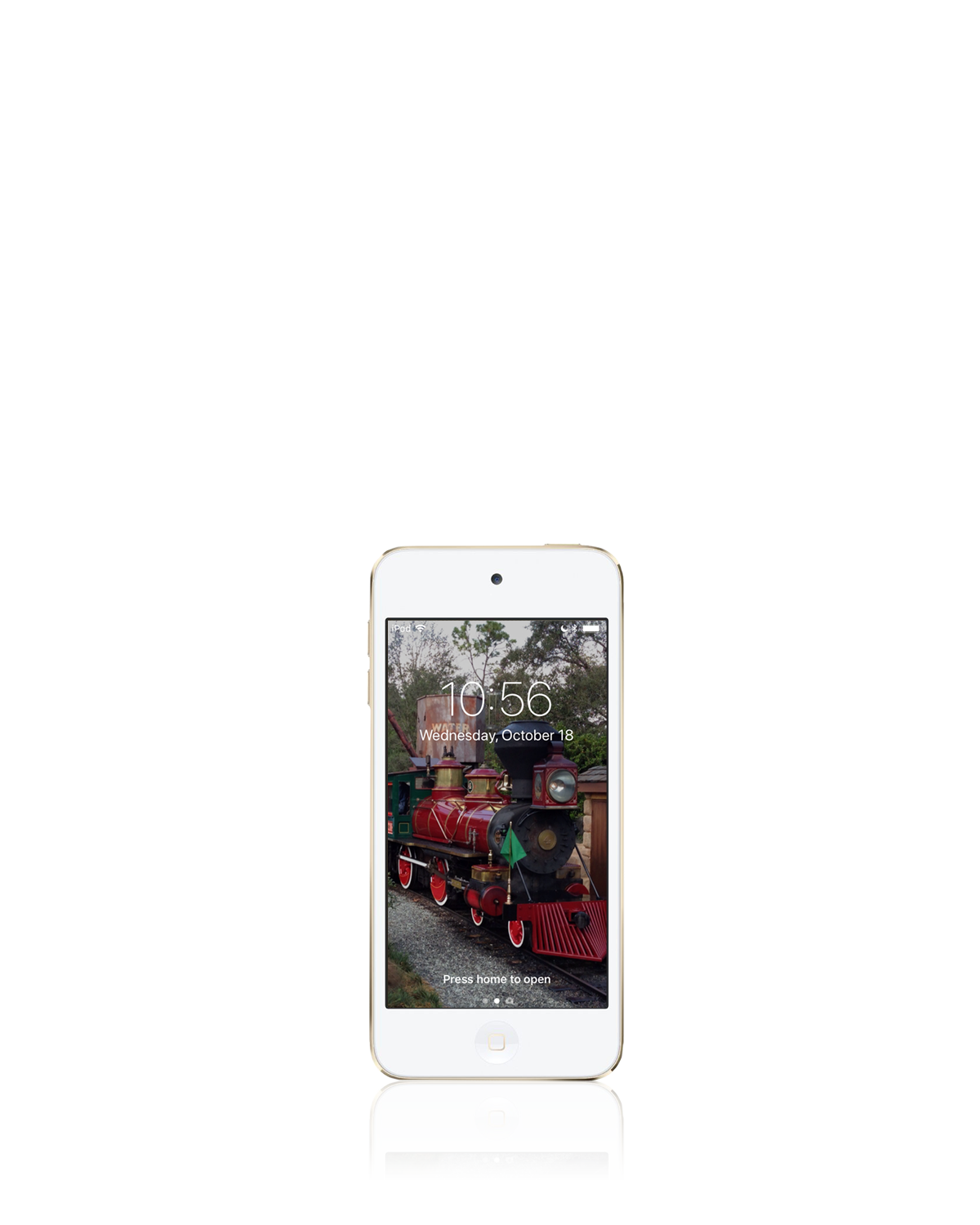
The iPod was introduced to allow users to carry large amounts of music with them on the go. The iPhone was added to provide personal communications whether it be phone conversations, email, text messages, or video conferencing. The iPad provides a device that bridges the gaps between extreme portability and laptop replacement and positions the user quite well for the post-PC evolution for consuming content. The Apple Watch provides a more personal connection in a category being described as "wearable" which gives the user access to their data from their wrist.
I find myself riding the wave of change using all these technologies and developing new use cases for myself and creating new software to meet those needs. If you would like to talk about any of these technologies please feel free to contact me.
 Back
Back